
WaterLens, by the International Water Management Institute
One in four people still lack safe water. Demand is rising. And it can change.
Ten facts from the six dialogues of the 2026 UN Water Conference.
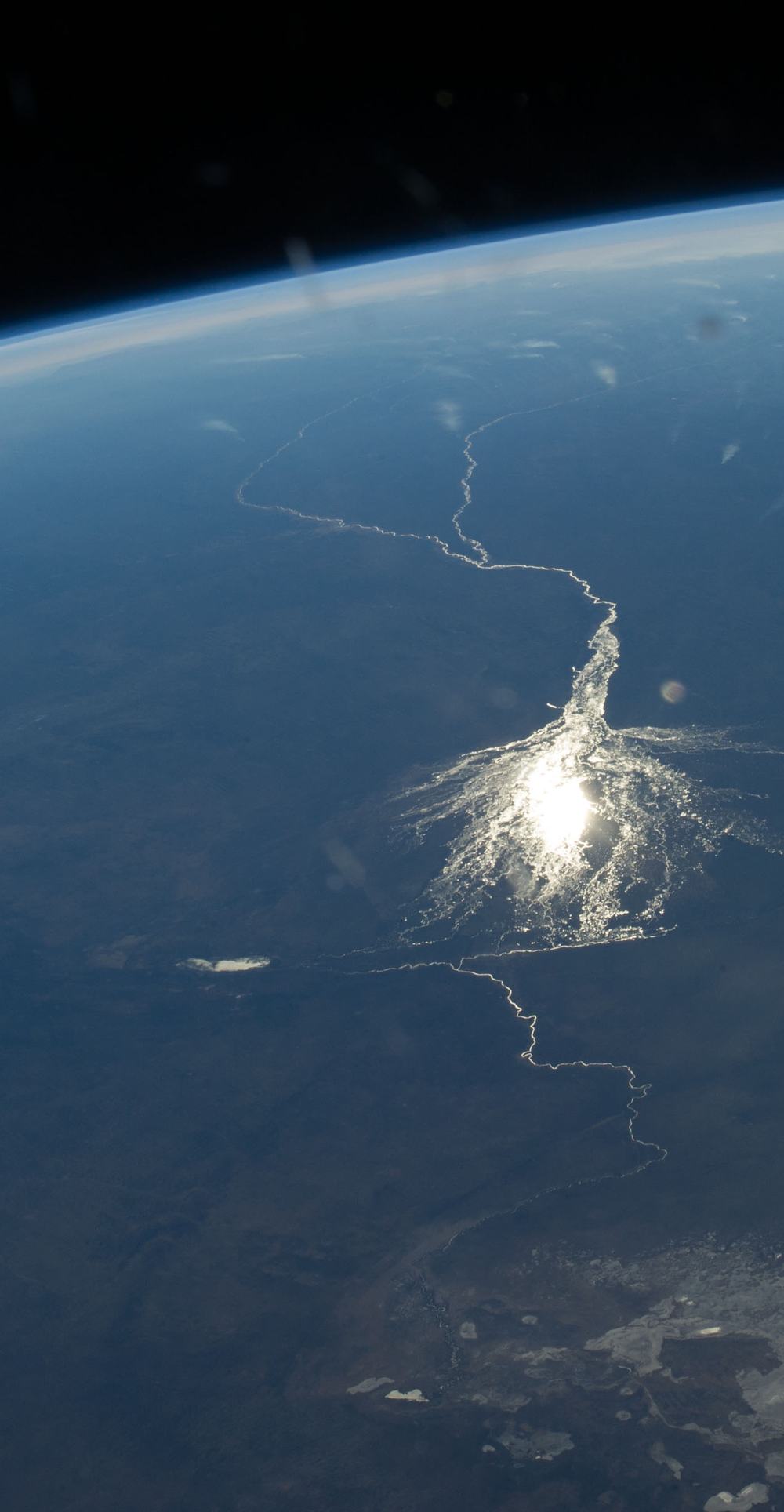
Okavango Delta, Botswana: NASA
26 of 100 people lack safe drinking water
It starts with a glass of water.
1 in 4 people lack safe drinking water.
WHO/UNICEF JMP, 2024
And a tap is not enough.
In Afar, Ethiopia, women and girls travel far for safe water.
IWMIFinding from the Awash basin, 2024
In some places, almost all of it is used.
The Limpopo used 93.9 of every 100 litres available in 2024.
IWMILimpopo Digital Twin, 2024
Most of it grows our food.
Farms use 72% of the freshwater the world takes.
FAO and World Bank, in the UN concept paper, draft
127 of 163 countries
And more will be needed.
Demand for water could grow in 127 of 163 countries from 2030 to 2050.
WRI Aqueduct 4.0, middle path, modelled
43 of 153 countries
Rivers don’t stop at borders.
43 of 153 countries that share water have working agreements for almost all of it.
UNECE and UNESCO, 2024, in the UN concept paper, draft
WomanMan
It matters who decides.
In Karamoja, Uganda, women on water committees are often treasurers, rarely chairs.
IWMIFinding, 2026
81 of 161 climate plans
Countries are making plans.
81 of 161 climate plans name two or fewer of nine kinds of water action.
Worked out from Climate Watch, WRI, 2026
And it can change.
Each dollar put into water and sanitation could bring back almost four.
WHO and World Bank, in the UN concept paper, draft (Int$)
8 sanitation forums
It can start with a voice.
In South Africa, a new way of planning gives low-income communities a stronger voice in water services.
IWMIIn practice, 2024
164 countries and basins
 South Africa
 Kenya
 Ethiopia
 Egypt
 India